
Rabbits are the 3rd most popular pet YET the most neglected and abandoned companion animal in the UK, why?
|
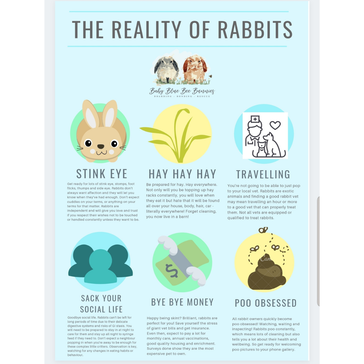
The main reasons rabbits are given up are:
|
|
What are the realities of living with rabbits?
Rabbits are hard work!
Rabbits need lots of observation to ensure they are eating and pooping. They can't be left for long period of times alone. They need a lot of patience and interaction to gain trust over time.
Rabbits are expensive!
Studies show that rabbits are by far the most expensive pets. They need regular vet trips, annual vaccinations and are prone to lots of health issues. It's essential to have insurance for them as bills can easily go into the thousands.
Rabbits need space!
Rabbits should never be confined to a hutch or cage for ANY amount of time. They need to run, play and binky. They are most active late at night and early morning when we are sleeping so need access to lots of space 24/7. The minimum welfare recommended size for 2 rabbits is 60sqft of permanent space. Swap cages for puppy pens and hutches for sheds!
Rabbits need HAY!
90% of a rabbits diet should be good quality hay bought from farm or online. Pet shops only sell bedding hay which isn't suitable for eating. If they aren't eating enough, it causes health issues. Everything else should be given in small amounts. A natural wild diet is best with hay, grasses and wild plants with only the odd treat and tiny amount of pellets. Many people have hay allergies, this should be considered before adopting them.
Rabbits need companionship!
Rabbits should never live on their own. In many countries it is illegal to keep them on their own. They should always be bonded to at least 1 other rabbit. They must all be neutered first to prevent fighting and bonding should be done correctly. A rescue centre can help match up and bond your rabbit for you. Adopt a bonded pair from a rescue, never just 1. They cannot be kept with other species like guinea pigs, they need companionship of their own kind.
Rabbits need exotic vets!
Rabbits are classed as exotic pets and only 5% of UK vets are qualified to treat them properly. It is essential to find a good rabbit savvy and qualified vet to treat your rabbits. This means travelling much further for a good vet.
Rabbits are prey animals!
Being a prey species, they do not like loud noises or being picked up and only like to be stroked on the floor on their own terms. They are not good pets for households with children unless strict supervision is given. They can live upwards of 15 years so are a huge commitment!
Rabbits are destructive and messy!
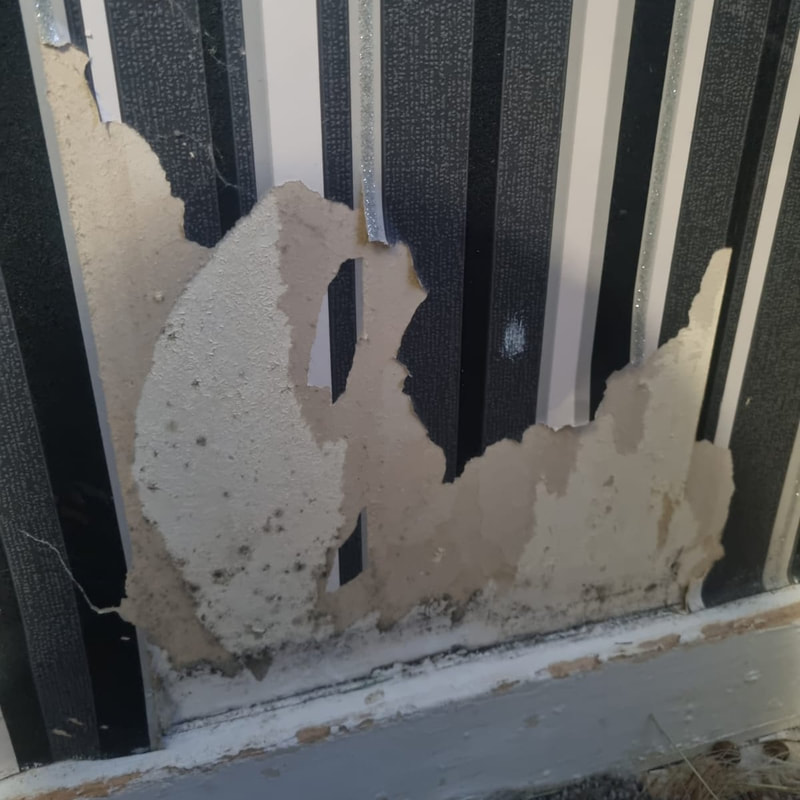
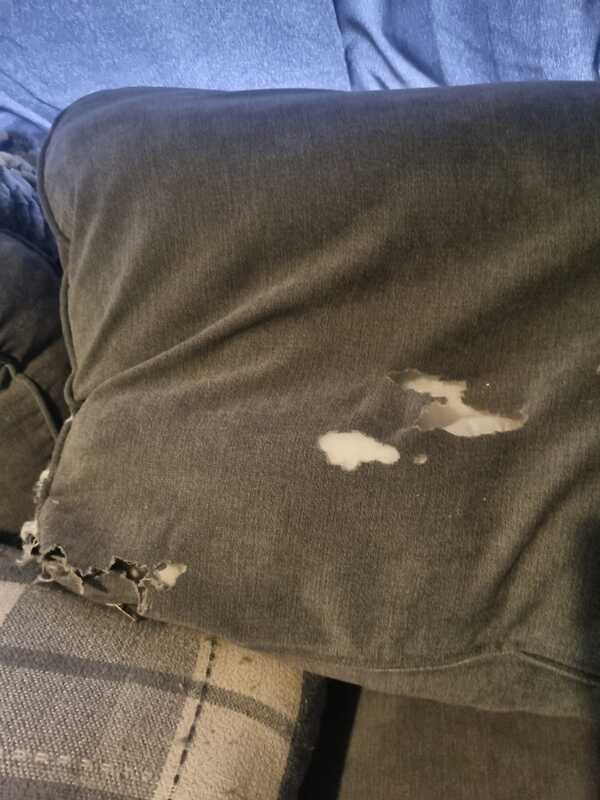
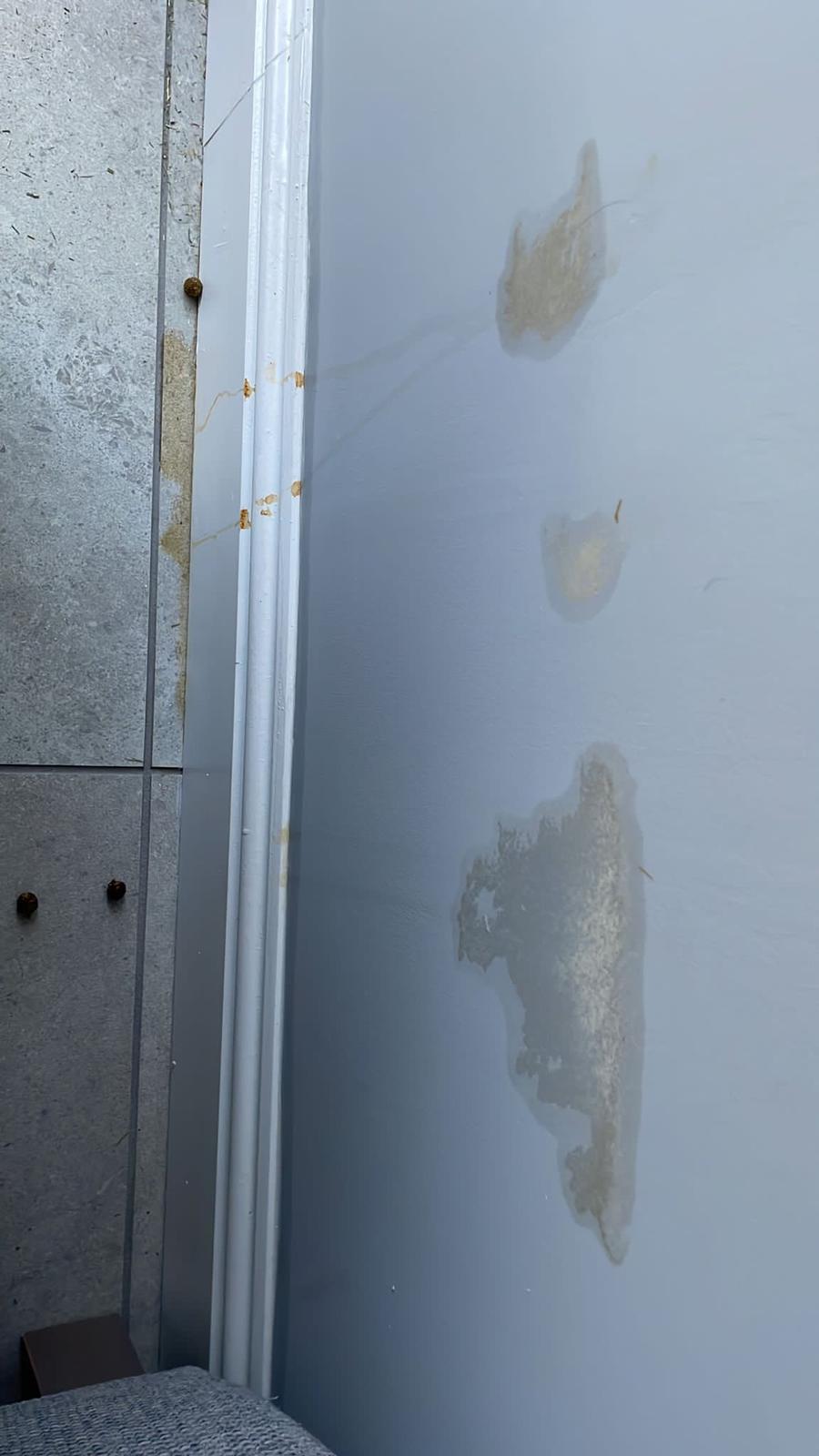
Natural rabbit behaviour includes chewing, digging and gnawing, that includes in your home. That includes digging up carpets, chewing skirting boards, ripping sofas and chomping cables. They like to territory mark with their droppings and dig the contents of their litter tray out. Be prepared to find hay all over your home including down your tights and in the fridge - it gets everywhere!
Rabbits need lots of observation to ensure they are eating and pooping. They can't be left for long period of times alone. They need a lot of patience and interaction to gain trust over time.
Rabbits are expensive!
Studies show that rabbits are by far the most expensive pets. They need regular vet trips, annual vaccinations and are prone to lots of health issues. It's essential to have insurance for them as bills can easily go into the thousands.
Rabbits need space!
Rabbits should never be confined to a hutch or cage for ANY amount of time. They need to run, play and binky. They are most active late at night and early morning when we are sleeping so need access to lots of space 24/7. The minimum welfare recommended size for 2 rabbits is 60sqft of permanent space. Swap cages for puppy pens and hutches for sheds!
Rabbits need HAY!
90% of a rabbits diet should be good quality hay bought from farm or online. Pet shops only sell bedding hay which isn't suitable for eating. If they aren't eating enough, it causes health issues. Everything else should be given in small amounts. A natural wild diet is best with hay, grasses and wild plants with only the odd treat and tiny amount of pellets. Many people have hay allergies, this should be considered before adopting them.
Rabbits need companionship!
Rabbits should never live on their own. In many countries it is illegal to keep them on their own. They should always be bonded to at least 1 other rabbit. They must all be neutered first to prevent fighting and bonding should be done correctly. A rescue centre can help match up and bond your rabbit for you. Adopt a bonded pair from a rescue, never just 1. They cannot be kept with other species like guinea pigs, they need companionship of their own kind.
Rabbits need exotic vets!
Rabbits are classed as exotic pets and only 5% of UK vets are qualified to treat them properly. It is essential to find a good rabbit savvy and qualified vet to treat your rabbits. This means travelling much further for a good vet.
Rabbits are prey animals!
Being a prey species, they do not like loud noises or being picked up and only like to be stroked on the floor on their own terms. They are not good pets for households with children unless strict supervision is given. They can live upwards of 15 years so are a huge commitment!
Rabbits are destructive and messy!
Natural rabbit behaviour includes chewing, digging and gnawing, that includes in your home. That includes digging up carpets, chewing skirting boards, ripping sofas and chomping cables. They like to territory mark with their droppings and dig the contents of their litter tray out. Be prepared to find hay all over your home including down your tights and in the fridge - it gets everywhere!